







How to Dry Laundry Indoors Without Musty Smells
To dry laundry indoors without musty smells, remove it promptly, space items apart and give moisture a way out of the room. A suitable spin helps remove water first. Check thick seams before putting clothes away, and investigate washing that already smells unpleasant rather than covering it with fragrance.
It is a familiar British dilemma: rain on the forecast, another wash waiting and an airer already full of yesterday’s clothes. Turning up the heating may feel like the only option. A more useful starting question is: where will the water go?
Work out when the smell starts
Check a finished load as you take it out. If it smells musty already, investigate the washing stage. If the problem appears after a long spell on the airer, review the drying setup as well. These observations help narrow the investigation; they do not identify one guaranteed cause.
Beko’s guidance on washing-machine smells identifies moisture, residue, drainage problems and overloading among possible issues. Follow your machine manual for the drawer, seal, accessible filter and maintenance cycle. If there is a drainage fault or persistent problem, get appliance-specific advice.
If the clothes need washing again, use an appropriate detergent and programme, then correct the drying setup. Adding a stronger scent does not remove retained moisture or clean the machine.
Remove water before it reaches the airer
Use a spin setting suitable for the fabric and programme. An additional spin can remove more water before hanging, although it uses some electricity. Smart Energy GB includes this among its drying tips. Do not select the highest speed for everything: a delicate item may need gentler handling or flat drying.
Plan the wash to finish when you can deal with it. Put the airer up beforehand and make sure there is enough usable space for that load. A basket of wet clothes waiting for room is a sign to reconsider the timing of the next wash.
Spread items out so air can reach them
Unfold each item rather than draping it over the rack in a bundle. Leave gaps. Where its care instructions allow, open out pockets and avoid folding thick sections against one another. Check the less exposed side during drying and reposition items if needed.
Smart Energy GB advises avoiding an overloaded rack and choosing a warm, ventilated room. Follow garment instructions for anything that must dry flat, and keep wet fabric clear of surfaces that should stay dry.
Choose how the moisture will leave
As washing dries, water moves into the surrounding air. Warming that air does not, on its own, remove the water from the home. You need a suitable way to manage the moisture as well.
| Your setup | What to do | What to avoid assuming |
|---|---|---|
| Drying with ventilation | Keep existing vents clear and use suitable windows or extraction in line with your home’s guidance. | That heating a closed room is enough. |
| Drying with a dehumidifier | Follow its room, clearance and laundry-mode instructions; empty the tank as directed. | That every model has the same settings or placement rules. |
Energy Saving Trust recommends ventilation when drying washing indoors, including opening windows to boost air movement. In winter, its advice includes short periods of window opening rather than assuming windows must stay wide open all day. Follow any guidance for your home’s ventilation system and keep required vents unobstructed.
For a dehumidifier session, the instructions may differ. For example, the MeacoDry Arete One 10L/12L manual advises closed doors and windows during laundry drying. The machine extracts moisture from the room’s air; leaving windows open can bring in more air to treat. This is model-specific operating advice, not a reason to block permanent ventilation.
Use the clearances specified by your manufacturer. Keep clothing and drips away from the unit, and do not cover its air intake or outlet. A powered appliance is not an extra rail on the airer.
Check drying costs using your own figures
For a rough electricity estimate, multiply power in kilowatts by hours used and your unit price. For example, an appliance drawing a constant 250 W for four hours at an illustrative 25p/kWh would use 1 kWh and cost 25p.
Those are invented example inputs to demonstrate the calculation, not a measured device result or today’s tariff. Actual power can vary during operation. Use measured consumption where available, and include any additional heating when comparing whole drying routines. This calculation does not establish which appliance will dry your load fastest or cheapest.
Do the final check before folding
Check cuffs, waistbands, pockets, towel edges and folded seams. If part of an item still feels damp, leave it out and improve its exposure. Do not put a nearly dry load into a packed wardrobe and expect it to finish there.
A useful routine is to clear fully dry pieces first, then spread the remaining ones more widely. If washing is still damp the next day, review load size, room conditions and moisture removal rather than adopting a fixed drying-time promise.
Add fragrance only as a finishing choice
Detergent cleans, fabric softener conditions suitable materials, laundry perfume adds scent and drying removes water. Love for Laundry’s washing guidance is 5–10 ml in the fabric softener compartment, with detergent used separately. Check your bottle and fabric instructions; if the stated dose differs, contact us before use.
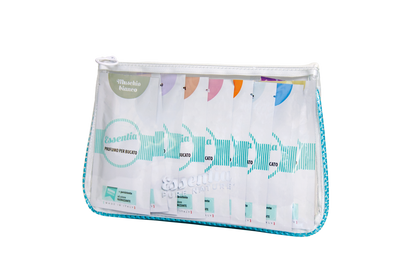
Do not pour concentrated perfume onto drying clothes or improvise a tumble-dryer treatment. If you would like fragrance once your routine is working, Soft Laundry Intense laundry perfume is one option to explore. Read the usage guide first.
Quick questions
Should the window be open or closed?
Use suitable ventilation for air drying. If you operate a dehumidifier, follow its specific instructions, which may call for closed windows during the session.
Will more laundry perfume stop musty drying?
No. It will not remove moisture or correct a washing or drying problem.
How many hours should a load take?
There is no reliable single number for every fabric, room and appliance. Check the clothes themselves, especially thicker areas.
Before starting your next wash, make space on the airer and choose how you will manage the moisture. That small plan is a useful first step towards washing you can put away fully dry.
Written by Love for Laundry. Sources checked on 23 October 2026.


Leave a comment